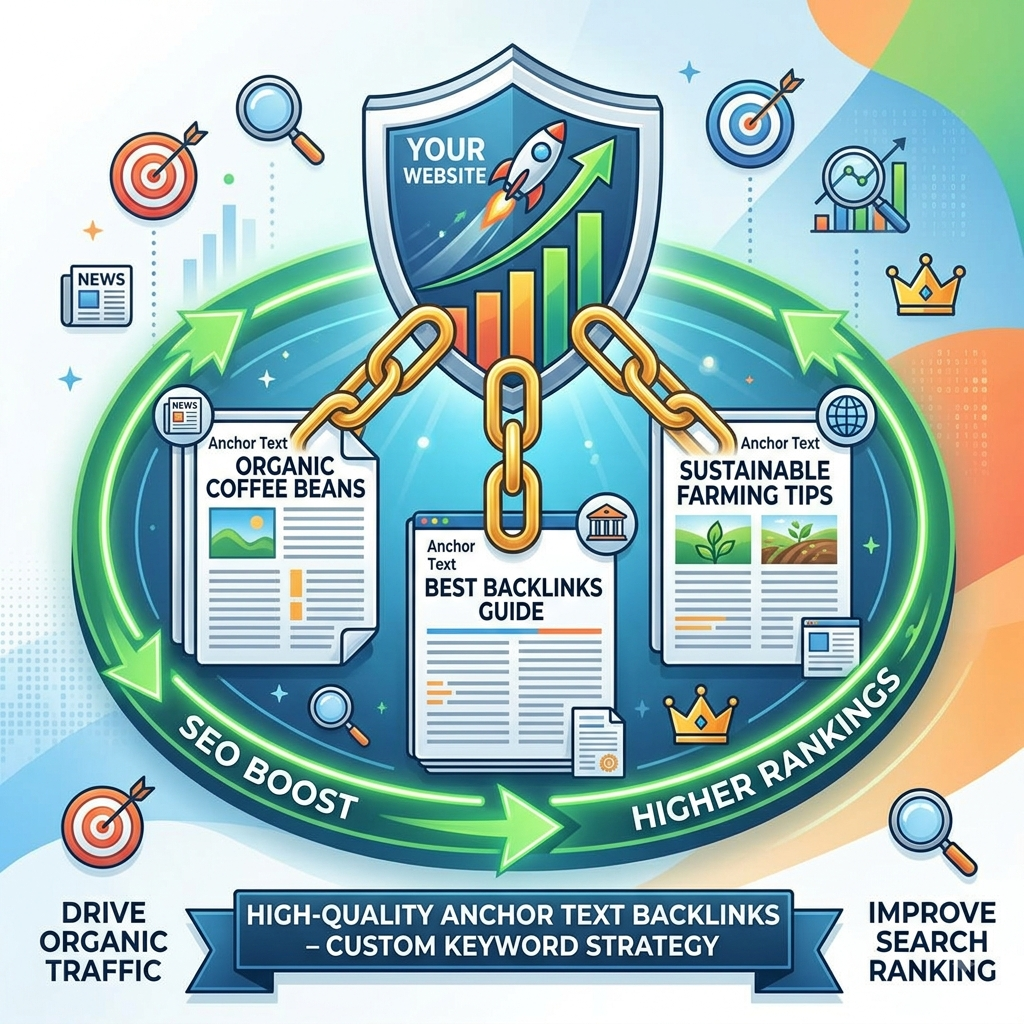
Google stacking sits at an interesting intersection in the SEO toolkit: it's an aggressive, fast-acting tactic that's also genuinely low-risk, because the entire structure lives inside Google's own ecosystem rather than depending on third-party domains that carry their own risk profile.
How a proper stack is structured
Rather than a flat list of backlinks, a stack links Google-owned properties — Sites, Docs, Drive, Blogger — to each other in a deliberate hierarchy before the final layer points at your target URL. A properly built stack both accelerates indexing, since Google crawls its own properties fast, and makes the resulting structure difficult for a competitor to reverse-engineer just by looking at your visible backlink profile.
Why competitive niches favor this tactic specifically
In niches where competitors actively monitor and attempt to replicate each other's link-building strategy, a stacked structure is harder to copy than a visible guest-post or PBN campaign, since the layered architecture isn't obvious from a standard backlink checker report.
Where stacking fits alongside visible campaigns
Use a stack as a less conspicuous authority source layered underneath a more visible contextual or guest-post campaign — the combination gives you both a defensible, visible profile and a harder-to-replicate structural advantage underneath it.
A mistake to avoid: expecting stacking to replace a visible profile
Because a stack is intentionally less visible than a standard backlink campaign, relying on it exclusively can leave you with an unusually thin-looking public backlink profile — which itself can look unnatural to anyone (including Google) checking your visible link footprint. Pair it with genuine visible links, not instead of them.
What to expect after your stack is built
Expect the stack itself to be built over several days given its layered structure. Because Google crawls its own properties quickly, expect early indexing signal within days, with broader ranking movement following over the next few weeks alongside whatever else is running in your campaign.
Frequently asked: how is this different from entity stacking on its own?
The two techniques overlap significantly and often use the same underlying Google properties, but "stacking" typically refers to a more deliberately layered, hierarchical structure — properties linking to each other before reaching your target — while a simpler entity campaign might link more directly from each property to your URL. The layered approach in a proper stack is what makes it harder for a competitor to reverse-engineer from your visible profile alone.
The bottom line: Google stacking offers a rare combination in SEO — genuine speed with genuinely low risk, since the entire structure lives inside Google's own trusted ecosystem. It's a strong complement to a visible campaign, not a replacement for one.